
So, you’ve decided to teach Mahjong. Maybe your friends have been asking you to teach them. Maybe your neighborhood wants to start a Mahjong group. Maybe you’re organizing a class, club, retreat, or girls’ night and want to introduce everyone to the game. Whatever brought you to the teacher’s seat, you already know that teaching Mahjong is about more than knowing how to play. You need a way to explain the basics, keep everyone organized, answer questions, and, most importantly, make beginners feel comfortable enough to keep playing. The good news? You don’t need a classroom full of complicated equipment.With a few Mahjong essentials and a little preparation, you can create a teaching setup that makes learning American Mahjong much easier.
1. Start With the Right Mahjong Set
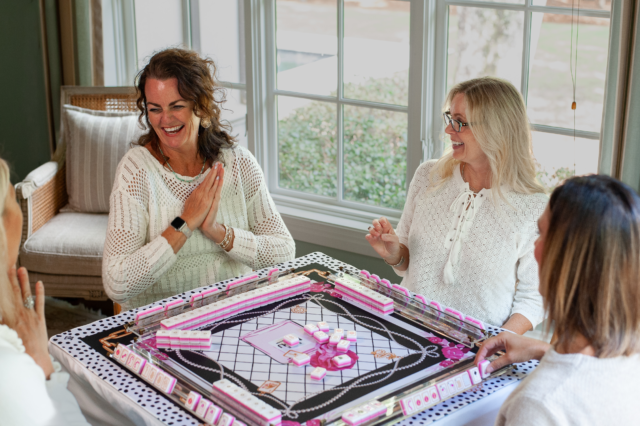
Before your students can learn to play, you need a complete Mahjong set. A traditional American Mahjong game requires the tiles, racks, dice, and a current National Mah Jongg League card. If you’re teaching a group, having a quality setup makes the experience much smoother. And once your students start playing regularly, they’re likely to develop opinions about everything from their favorite Mahjong mat to their preferred racks. That’s when the fun really begins.
2. Give Every Player Their Own Playing Space
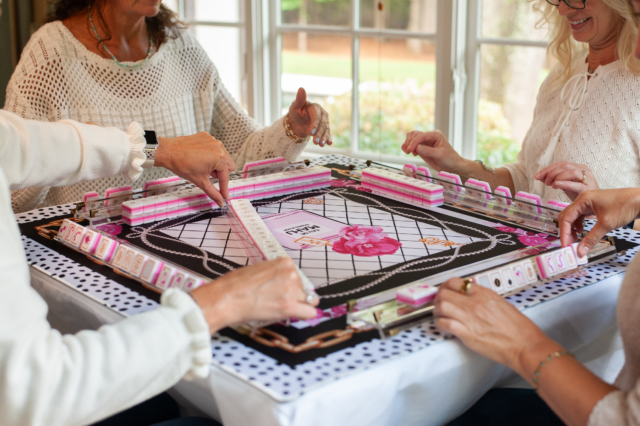
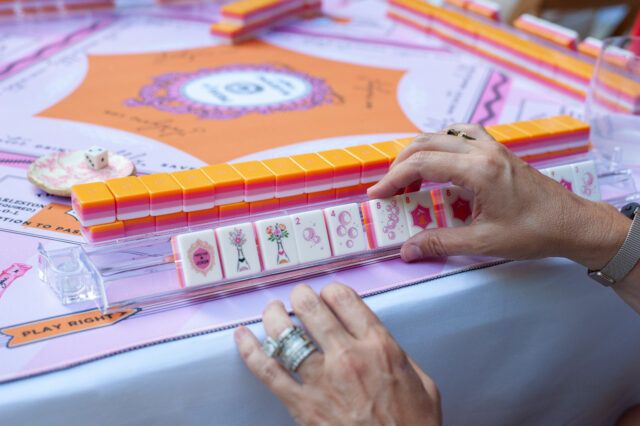
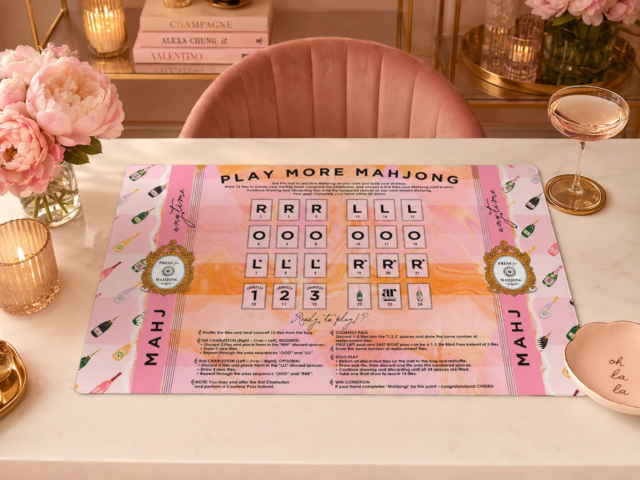
One of the easiest ways to make a beginner feel overwhelmed is to put four people around a table and suddenly cover the entire surface with tiles. A Mahjong mat helps define each player’s space and gives the game a more organized feel. And let’s be honest, a beautiful mat also makes learning more fun. Anders Ruff offers Mahjong mats in a variety of colors, patterns, and collections, so you can choose a look that fits your teaching environment or let each player discover her own favorite style.

3. Keep a Mahjong Quick Guide Handy
Every Mahjong teacher knows the inevitable question:
“Wait… what do I do now?”
And then comes:
“Which tile can I pick up?”
Followed shortly by:
“What does that symbol mean?”
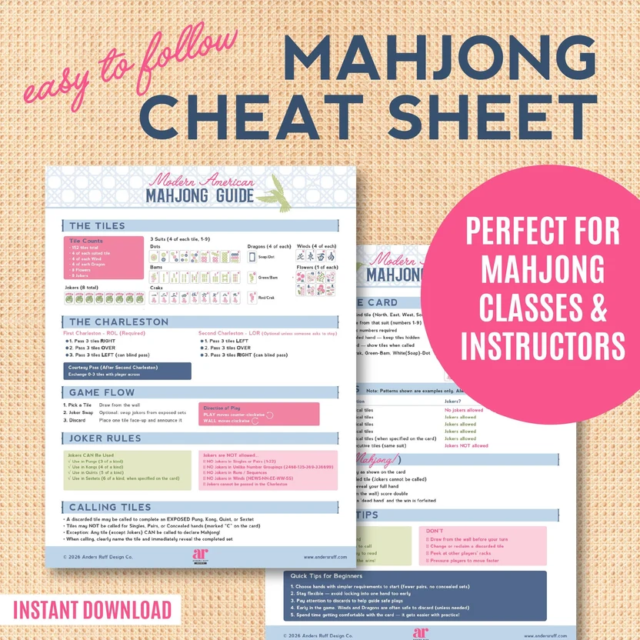
Having a quick reference makes those questions much easier to answer.
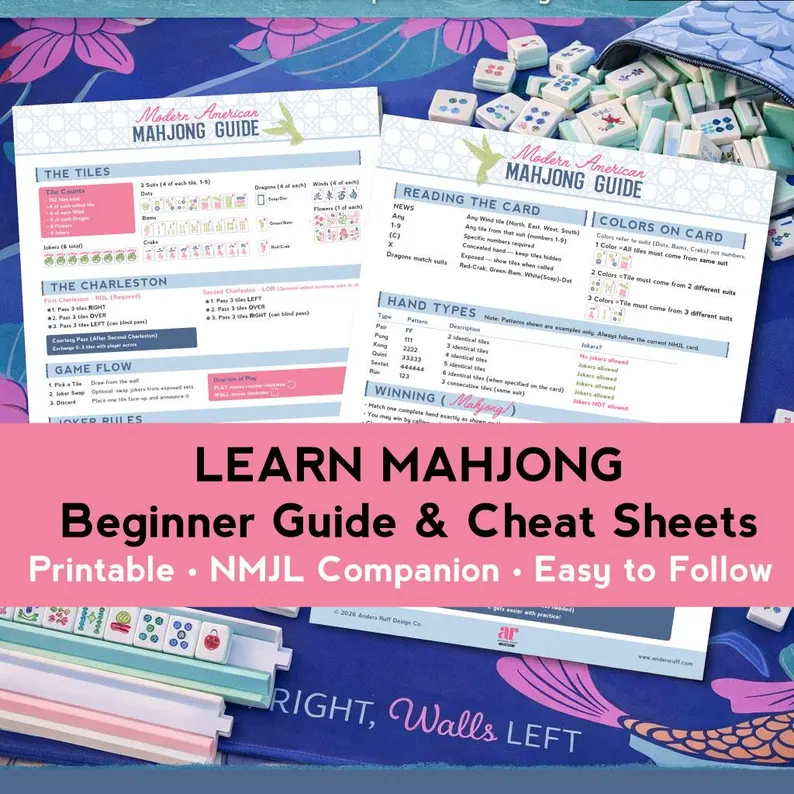
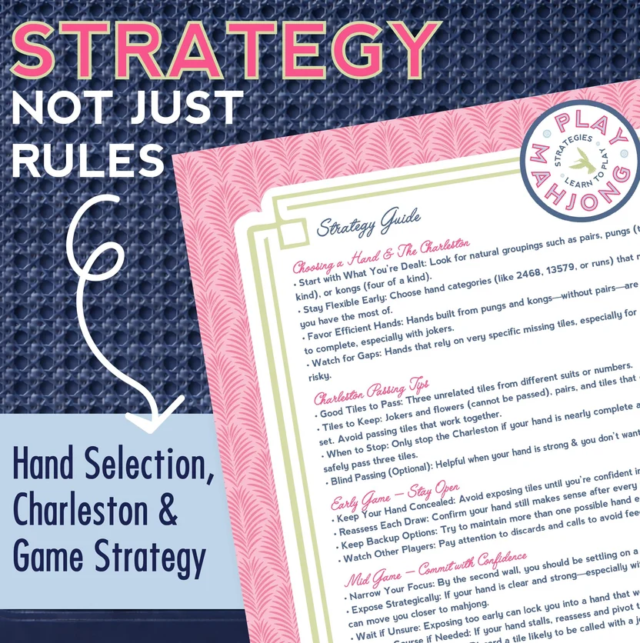
The Anders Ruff Modern American Mahjong Quick Guide is designed to be a handy reference for players learning and playing American Mahjong. It’s particularly useful for beginners who aren’t quite ready to memorize everything yet. Instead of stopping the game every few minutes, players can use the guide as a reference and keep learning through play. We also offer several printable helps in the Etsy Shop here.
4. Teach the Basics Before You Teach Strategy
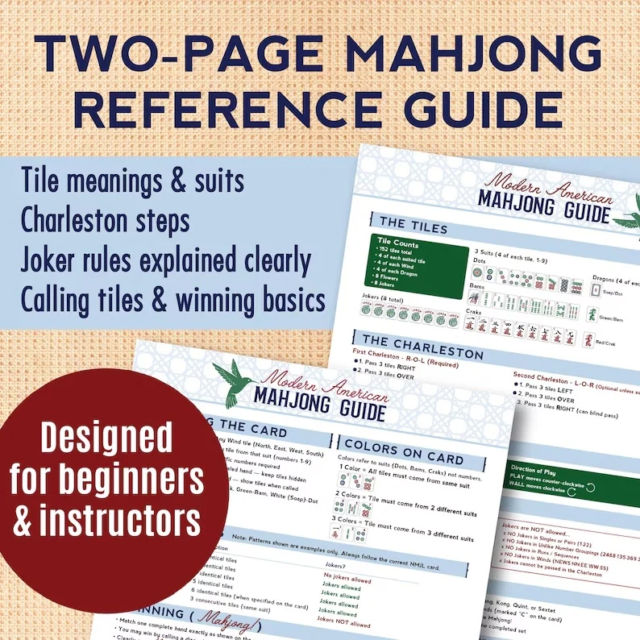
This is one of the biggest lessons for anyone teaching Mahjong. Don’t try to teach everything at once.
Start with:
The tiles
Help players understand the suits, numbers, winds, dragons, flowers, and jokers.
The goal
Explain what players are ultimately trying to build.
The card
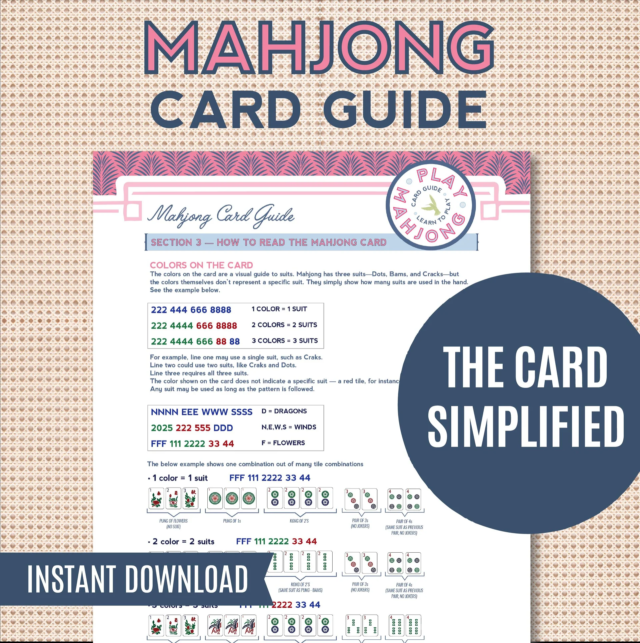
Show students how to read the hands on the NMJL card.
The Charleston
Explain the basic concept before worrying about advanced strategy.
Calling tiles
Teach the difference between when a tile can and cannot be called.
Once everyone understands the basic mechanics, you can begin introducing strategy.
5. Let Beginners Handle the Tiles
Mahjong is a tactile game. New players need to physically move the tiles, build their walls, organize their racks, and practice making calls. Don’t spend an hour explaining Mahjong while everyone watches. Get the tiles in their hands as quickly as possible. Learning happens much faster when people are actually playing.
6. Don’t Be Afraid to Play a “Practice Game”
Your first game doesn’t have to count. In fact, it probably shouldn’t. Tell everyone: “This game is just for learning.” Let people make mistakes. Stop when someone has a question. Explain why a move works or doesn’t work. Walk through the Charleston slowly. And don’t worry about who wins. The goal of the first game is simply to help everyone understand how the pieces fit together.
7. Teach One Concept at a Time
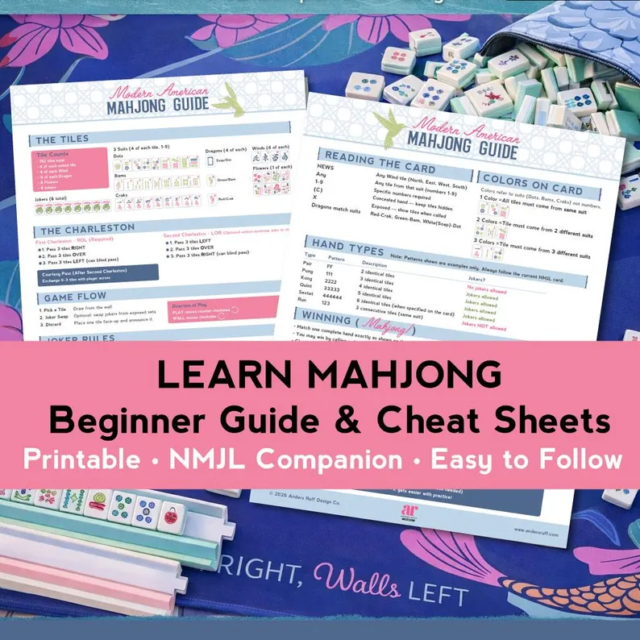
If someone is completely new to Mahjong, the game can seem complicated because there are so many moving parts.
Break it down.
Lesson 1: Learn the tiles.
Lesson 2: Learn the card.
Lesson 3: Learn the Charleston.
Lesson 4: Learn calling and exposure.
Lesson 5: Play a complete game.
Lesson 6: Begin learning strategy.
Your students will probably understand more than you expect once they have a few games under their belts.

8. Have a “Questions Are Welcome” Rule
Make this one of your first rules. There are no dumb Mahjong questions. Every experienced player was once the person asking what a pung was. New players need to know that it’s okay to ask questions, even if they think everyone else understands something they don’t. Creating a relaxed environment will make your students more willing to participate and more likely to keep playing.
9. Teach the Language of Mahjong
Mahjong has its own vocabulary, and learning it can feel like learning another language.Make sure your students understand terms such as:
- Charleston
- Wall
- Rack
- Pung
- Kong
- Quint
- Exposure
- Concealed hand
- Joker
- Charleston pass
- Call
- Dead hand
- Mah Jongg
Once players understand the vocabulary, the game suddenly becomes much easier to follow.
10. Give Your Students Something to Practice With
Encourage beginners to play between lessons. Even one or two games a week can make a huge difference. If they don’t have their own Mahjong supplies yet, that’s okay. A group can share a set while they’re learning, then players can begin building their own collections once they know what they like. That’s also when Mahjong becomes personal. Some players want a beautiful mat. Some want a Mahjong tote. Some want a special tile set. Some want every accessory they can possibly fit on their table. We won’t judge.
11. Introduce the Fun Stuff After the Basics
Once everyone knows how to play, that’s when you can start introducing the extras.
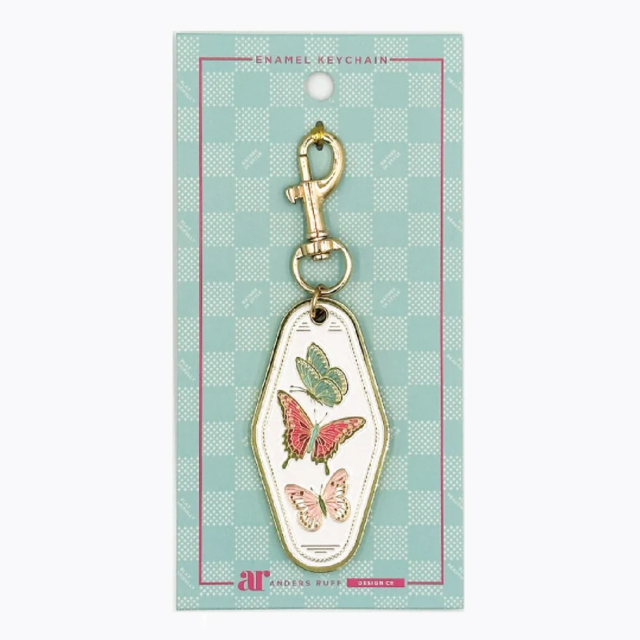
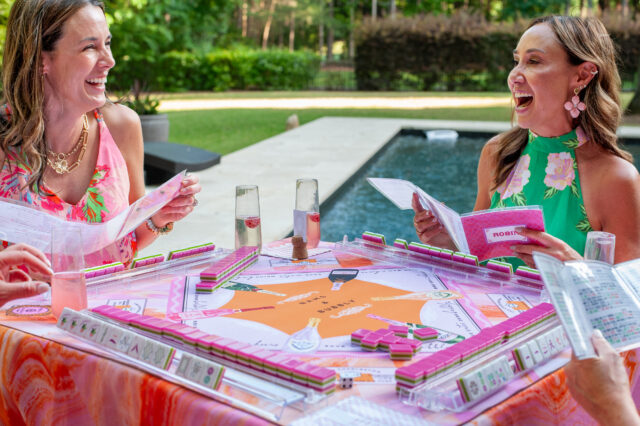
Try a themed Mahjong night. Create a beautiful table. Give everyone a Mahjong-inspired favor. Choose a new Mahjong mat. Add a fun snack menu. Or let each player choose her favorite Anders Ruff Mahjong collection. Because while learning the rules is important, the social experience is a huge part of why people fall in love with Mahjong.
12. Help Your Students Become Players, Not Just Students

The ultimate goal isn’t for your students to successfully complete one Mahjong game. It’s for them to feel confident enough to sit down and play without you. Encourage your students to form their own Mahjong groups. Help them find regular playing partners. Suggest a weekly or monthly game night. Give them ideas for practicing. And most importantly, remind them that they don’t need to know everything before they start enjoying the game.
You learn Mahjong by playing Mahjong.
Build Your Mahjong Teacher’s Toolkit
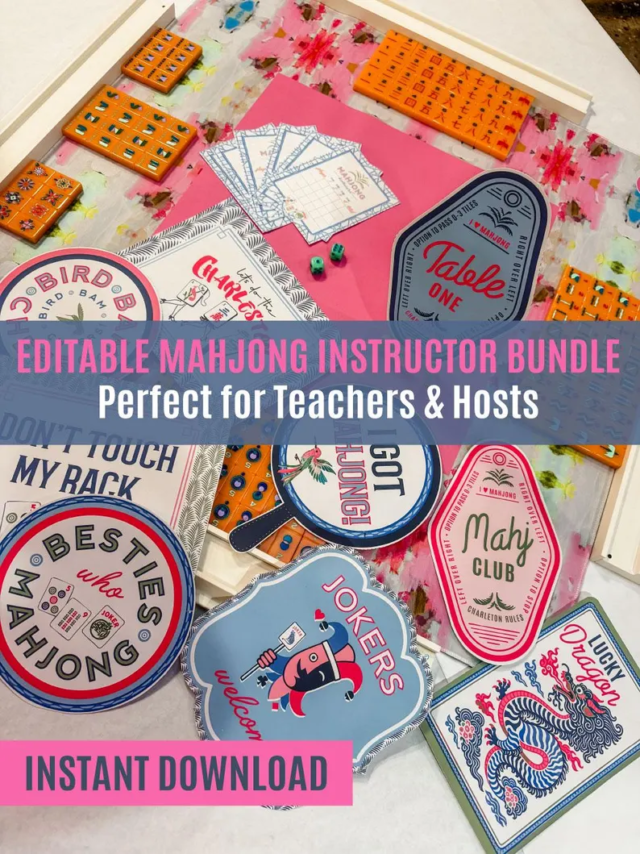
If you’re teaching American Mahjong, a few thoughtfully chosen supplies can make your job much easier.
Start with:
A quality Mahjong set
The foundation for every lesson.
Mahjong mats
Create an organized, attractive playing surface.
Racks
Give each player a designated space for their tiles.
Dice
An essential part of setting up the game.
A Mahjong reference guide
Especially helpful for new players who are still learning the terminology and rules.
A comfortable table
Because your students are going to want to keep playing once the lesson ends.
And, of course, plenty of patience.
The best Mahjong teachers aren’t necessarily the ones who know every answer immediately. They’re the ones who can make a complicated game feel approachable, fun, and worth learning. Whether you’re teaching your three best friends or organizing a Mahjong class for an entire group, Anders Ruff Design Co. has Mahjong products to help you create a beautiful, functional setup your students will love.
Ready to build your Mahjong teacher’s toolkit?